Reviewing Christmas Alphabets and Numbers Clipart
As a designer who has spent countless hours digitizing patterns and troubleshooting hoop jams, I approach every new machine embroidery design with a healthy dose of skepticism. We have all been there: you download a cute graphic, load it onto your machine, and watch in horror as the thread bunches up or the letters become illegible blobs. That is why when I recently evaluated the Christmas Alphabets and Numbers Clipart collection, my focus was not just on aesthetics, but on practical application. I needed to know if these assets could survive the transition from screen to fabric, specifically for the high-stakes world of holiday custom orders.
First Impressions and Visual Personality
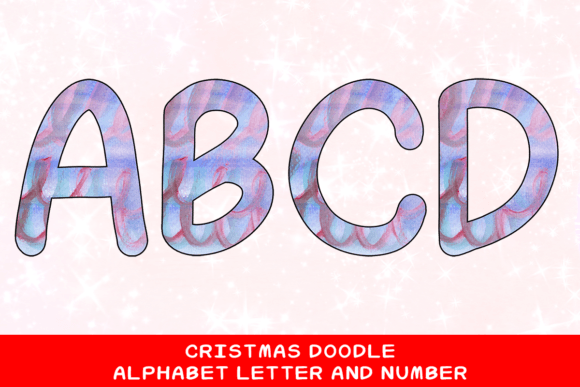
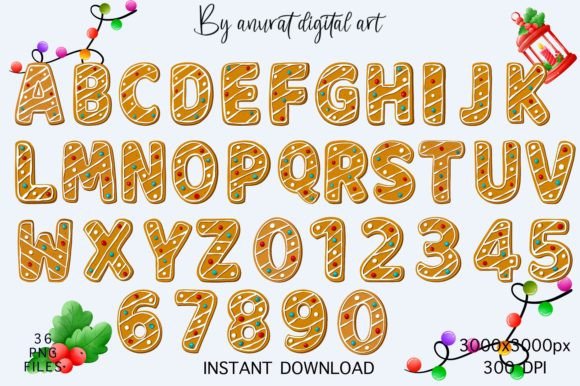
The immediate mood created by this set is festive without being overly chaotic. In the world of Illustrations, holiday themes often suffer from excessive detail that simply does not translate well to thread. However, these characters possess a clean visual personality. The shapes are distinct, suggesting a balance between whimsical charm and structural integrity. For an embroidery project, this is crucial. If the lines are too thin, they vanish; if they are too dense, the fabric puckers. The layout of these alphabets suggests they were designed with versatility in mind, suitable for both bold statements and subtle accents.
When I first opened the files, I looked for consistency in line weight. Inconsistent strokes are a nightmare for digitizers because they require constant manual adjustment of stitch types. These characters appeared uniform, which implies that converting them into a usable embroidery file would be straightforward. Whether you are creating a sweatshirt embroidery piece for a client or a simple tote bag design for your shop, having a cohesive look across all letters and numbers is essential for brand consistency.
Real-World Application: The Holiday Rush Scenario
To truly test the viability of these assets, I imagined a common scenario for any Etsy seller or craft business owner: the December rush. A customer requests a personalized baby embroidery item, perhaps a onesie or a receiving blanket, featuring their child’s name and birth date. This is where the numbers in this clipart set become invaluable. Many decorative fonts lack clear, stylized numerals, forcing designers to mix and match incompatible styles.
Using these Christmas-themed characters, I envisioned a personalized gift that stands out. Imagine a navy blue velvet pillow cover with gold thread. The contrast would highlight the festive curves of the letters. Alternatively, consider a custom apparel project like a family matching pajama set. The clarity of the design ensures that even when scaled down for a chest pocket, the letters remain readable. This readability builds customer trust. When a buyer receives a finished product where the stitching is crisp and the design is recognizable, they are far more likely to leave a positive review and return for future purchases.
Performance on Different Fabrics and Hoops
Not all fabrics behave the same way, and a design that looks perfect on cotton canvas might fail miserably on a stretchy knit. When working with this type of design assets collection, you must consider the fabric texture. For textured fabrics like terry cloth towels or fluffy blankets, a design with open spaces works better than one with heavy fill stitch areas. These alphabets appear to have enough negative space to prevent sinking into plush materials, provided you use the correct stabilizer.
However, caution is required when using these on dark fabrics. If the design relies on fine details, you need high-contrast thread colors. A red thread on a black shirt might look muddy if the stitch definition is not sharp. I recommend testing the design on scrap fabric first. Check how the satin stitch borders hold up against the background. If the clipart includes intricate corners, ensure your machine can handle the direction changes without breaking the thread. This is particularly important for curved surfaces like caps. Embroidering on a cap requires a different approach than flat hooping, and complex designs can distort easily on the structured front panel.
Technical Considerations for Designers
Before you commit to selling items made with these graphics, you must address the technical side of production. Since this is categorized under Illustrations, it is vital to confirm whether you are purchasing a vector file for manual digitizing or a pre-digitized digital embroidery file. If it is the former, you will need to convert the clipart yourself. This involves deciding between running stitch outlines for a sketch-like effect or satin stitch columns for a bold, traditional look.
If you are digitizing these yourself, pay close attention to stitch density. Holiday designs often tempt creators to add too much detail, such as snowflakes or holly leaves within the letters. While visually appealing, this increases production time and thread consumption. For a small shop product, efficiency matters. Keep the density moderate to ensure the garment remains comfortable to wear. Heavy stitching on a baby’s skin can be irritating, so always prioritize comfort alongside aesthetics.
Another critical step is checking the hoop size compatibility. If you plan to embroider full names or long dates, ensure the design fits within your standard hoops, typically 4x4 or 5x7 inches. If the design is too large, you may need to split it, which can lead to alignment issues. Always inspect small details at 100% zoom. Tiny serifs or decorative flourishes might look great on screen but can turn into tangled knots on the machine.
Commercial Use and Brand Value
For commercial embroidery professionals, the licensing terms are non-negotiable. Before listing any handmade product on your store, confirm that the license allows for commercial use of the finished items. Some licenses permit selling physical goods but prohibit selling the digital file itself. Understanding these boundaries protects your business from legal issues and maintains your professional reputation.
Using high-quality design elements like these Christmas alphabets elevates your brand. It shows that you care about the details. When customers see a well-executed embroidered patch or a neatly stitched apron, they perceive higher value. This perception allows you to price your items competitively while maintaining healthy margins. Furthermore, consistent use of themed design assets helps in creating cohesive collections for seasonal releases, making your printable mockup previews more attractive and engaging.
Final Verdict for Makers and Sellers
In conclusion, the Christmas Alphabets and Numbers Clipart offers a solid foundation for holiday-themed projects. Its strength lies in its versatility and clear visual structure, which translates well to various embroidery techniques. Whether you are creating holiday embroidery for home decor or personalized tags for boutique packaging, these designs can enhance your product line. However, success depends on your preparation. Test your threads, choose the right stabilizer, and respect the limitations of your machine.
Remember, the best design is one that not only looks good but also stitches out reliably. By treating these clipart elements with the technical respect they deserve, you can create beautiful, durable, and profitable items that delight your customers throughout the holiday season and beyond. Always keep the end user in mind, ensuring that every stitch contributes to a high-quality finished product that stands the test of time and washing.