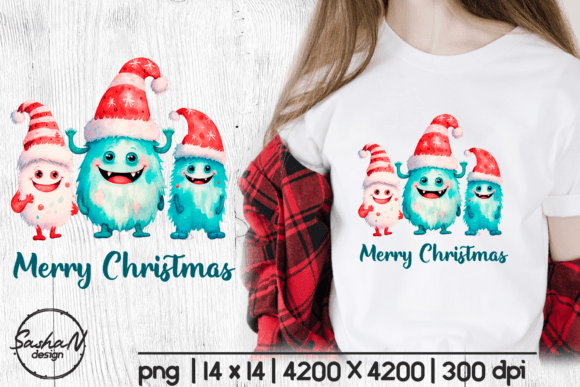
Merry Christmas Card with Cute Duck: Festive Illustrations
As a brand designer who has spent over a decade helping local businesses find their visual voice, I approach every new graphic design asset with a critical eye. It is not just about whether an image looks pretty; it is about whether it works in the real world of packaging, print, and digital marketing. Recently, I evaluated the Merry Christmas Card with Cute Duck for a potential client project, and the results were surprisingly versatile. This piece is more than just holiday clipart; it is a strategic tool for small business branding that demands attention while maintaining warmth.
First Impressions: Mood and Brand Personality
The first thing that strikes you about the Merry Christmas Card with Cute Duck is its immediate ability to soften a brand’s presence. In an era where minimalism often borders on sterility, this illustration brings a necessary dose of humanity and playfulness. The mood is undeniably festive, yet it avoids the cliché overload of traditional red-and-green heavy designs. Instead, it leans into a friendly, approachable aesthetic that suggests a brand personality rooted in joy, care, and community.
For a local business, such as a boutique bakery or a handmade soap studio, this asset signals that the owner values connection over cold corporate efficiency. It feels organic and handmade, even if it is a digital product. The duck character acts as a mascot-like figure, creating an emotional hook that can significantly improve customer trust. When customers see this level of thoughtful, whimsical detail, they subconsciously associate the brand with quality and attention to detail.
Strategic Applications in Local Business Design
The true value of any design asset lies in its adaptability. During my review, I mapped out several practical applications for the Merry Christmas Card with Cute Duck across various touchpoints. For product sellers, this illustration is ideal for packaging design. Imagine it printed on kraft paper boxes for a candle brand or as a central element on a hang tag for a children’s clothing line. The visual hierarchy is strong enough to stand alone as a hero graphic, yet it integrates seamlessly with typography.
- Product Labels: Use it as a focal point on seasonal jam jars, honey pots, or spice blends to create shelf appeal.
- Thank-You Cards: Print it on high-quality cardstock to include in online orders, enhancing the unboxing experience.
- Social Media Graphics: Adapt the illustration for Instagram stories or Facebook posts to announce holiday sales or shipping deadlines.
- Promotional Flyers: Incorporate it into local mailers for cafes or florists to drive foot traffic during the holiday season.
For handmade business owners, the asset serves as a cornerstone for consistent brand identity. By using the same character across your website banners, email newsletters, and physical product mockup materials, you create a cohesive narrative. This consistency is crucial for professional branding, as it helps customers recognize your products instantly, whether they are scrolling through a feed or walking down a market aisle.
Enhancing Business Presentation and Trust
Why does a cute duck matter for serious business growth? Because presentation drives perception. A well-chosen illustration like this supports stronger first impressions. It breaks the visual monotony of text-heavy layouts and guides the viewer’s eye. In editorial design or catalog layouts, it can serve as a decorative break between sections, making the content more digestible.
Moreover, this asset aids in clearer visual hierarchy. When placed strategically on a product label, it draws attention to the brand name or the seasonal nature of the item. This improved clarity leads to better product recognition. Customers are more likely to pick up a package that feels inviting and professionally designed. The emotional connection fostered by the playful duck translates into higher perceived value, allowing small businesses to justify premium pricing through superior marketing visuals.
Where to Use It and Where to Exercise Caution
While the Merry Christmas Card with Cute Duck is highly versatile, it is not a one-size-fits-all solution. It works best in contexts that benefit from warmth and personality. Ideal placements include packaging accents, seasonal campaign visuals, and boutique-style displays. It shines in web design headers for holiday landing pages and as a key element in Canva template kits for social media managers.
However, there are scenarios where this asset should be used carefully. Avoid using it in formal corporate branding where a serious, authoritative tone is required. It may also clash with luxury minimalist brands that rely on stark negative space and monochrome palettes. Additionally, be cautious when placing it on very small labels or crowded packaging design layouts. If the illustration competes with essential legal information or ingredient lists, it can reduce readability. Always ensure there is sufficient contrast and breathing room around the graphic to maintain its impact.
Practical Notes for Designers and Brand Owners
Before integrating this clipart or illustration into your client work or own business, conduct a thorough technical review. As an experienced designer, I always recommend testing the asset on real product mockup files. Check how it looks in black and white to ensure it retains its shape and clarity without color dependency. Preview it on small labels to verify that details do not blur during printing.
Typography pairing is another critical consideration. Test the duck illustration beside various font styles. It often pairs beautifully with handwritten fonts for a rustic feel, or clean sans serif fonts for a modern look. Avoid overly ornate script fonts that might compete with the curves of the illustration. Furthermore, always confirm the commercial license terms. Ensure you have the right to use the PNG design or SVG design for physical product sales and client projects. If the file is vector-based, inspect the editability to adjust colors to match your specific brand palette.
Finally, compare your final design with competitor packaging. Does the Merry Christmas Card with Cute Duck help your brand stand out? Does it enhance the overall visual hierarchy? By asking these questions, you ensure that the asset is not just decorative, but a functional component of your commercial design strategy. Whether you are a marketer, a creative entrepreneur, or a packaging designer, treating this asset with strategic intent will yield the best results for your local business this holiday season.